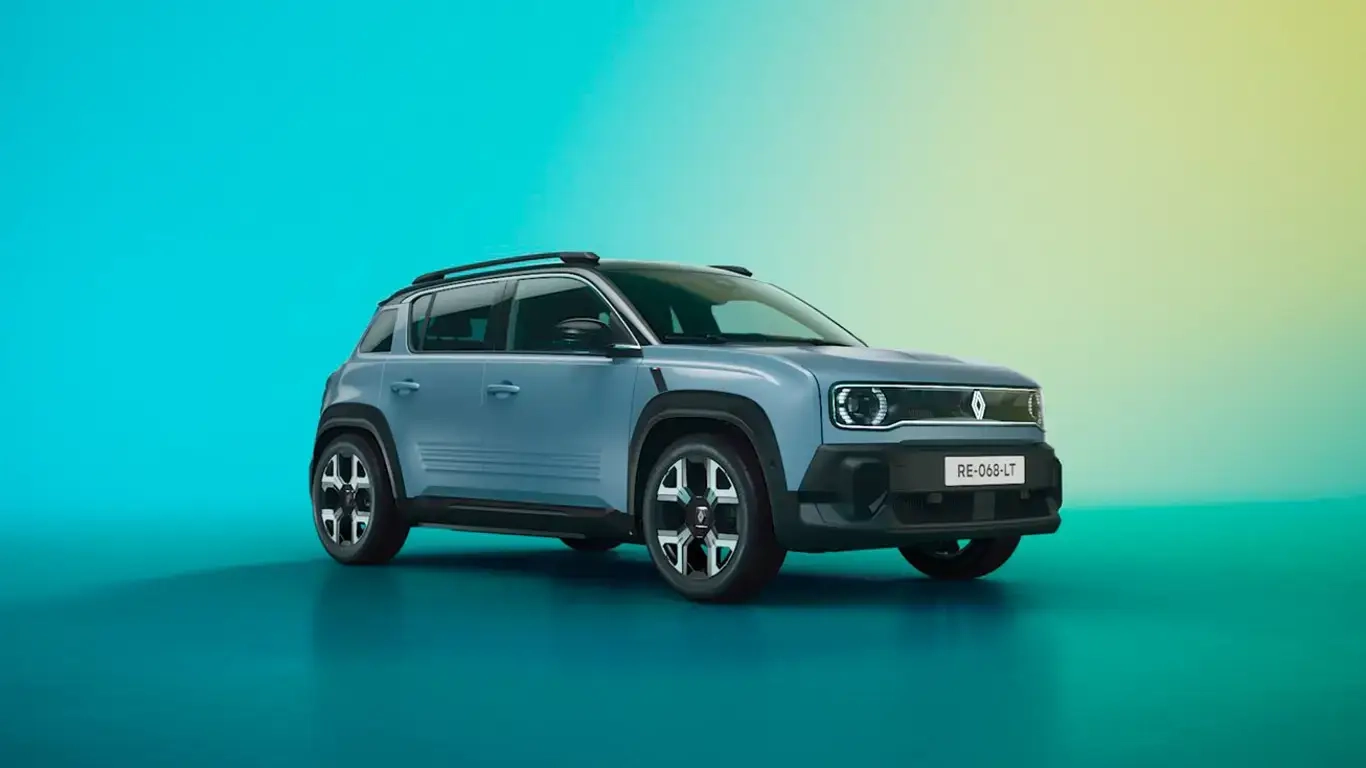

Nobody saw Renault’s switch to cheaper batteries coming this fast. The new electric Twingo was the first to roll in with LFP cells — and the story doesn’t end there. The French brand has confirmed the same chemistry will spread to other electric models, including the Renault 5 and Renault 4. First in line: the accessible Urban Range versions.
Today, the entry-level R5 and R4 ride on a 40 kWh NCM battery. That’s about to change. LFP packs trail NCM on energy density, but they win where it really counts: lower cost, no cobalt, better cycle life, stronger safety credentials. And in plenty of real-world scenarios, they’re actually more stable.
Renault UK managing director Adam Wood spelled it out in an interview with Auto Express:
“LFP technology is part of our future product roadmap, including the Renault 4 and 5. The benefits are clear. One of them is cost, and that’s part of our strategy to make electric mobility more accessible to more people.”
What does it mean for buyers? Simple. If Renault actually passes the savings into the price tag, the entry-level R5 and R4 get a lot more interesting. And competition in Europe’s affordable EV segment is heating up fast: Citroen e-C3, Fiat Grande Panda, Cupra Raval and Volkswagen ID. Polo are all rolling out LFP packs of their own. Without cheaper batteries, fighting off Chinese newcomers and European budget rivals becomes a losing battle.
Pricier Comfort Range versions, sources say, will stick with 52 kWh NCM batteries. There’s also chatter that capacity could climb to 56 kWh, pushing range close to 500 km WLTP. The logic snaps into focus: Urban Range for price and city use, Comfort Range for distance and versatility. Renault doesn’t believe a cheaper R5 will eat into Twingo sales.
Wood says the cars complement each other instead of competing. The R5 has longer range, costs more and offers a more practical body. Twingo stays the most urban and the most affordable. R5 and R4 hold down the grown-up end of the line-up. Battery suppliers split too: Twingo uses CATL cells, while the other Renault EVs get packs from LG Energy Solution, a long-time partner.
Exact launch dates for the LFP versions aren’t public yet, but they’re expected in 2026–2027. Renault isn’t inventing a new formula — it’s taking the most pragmatic route to a mass-market EV. Where price matters most to the buyer, LFP might just outweigh a few extra kilometres on the spec sheet.