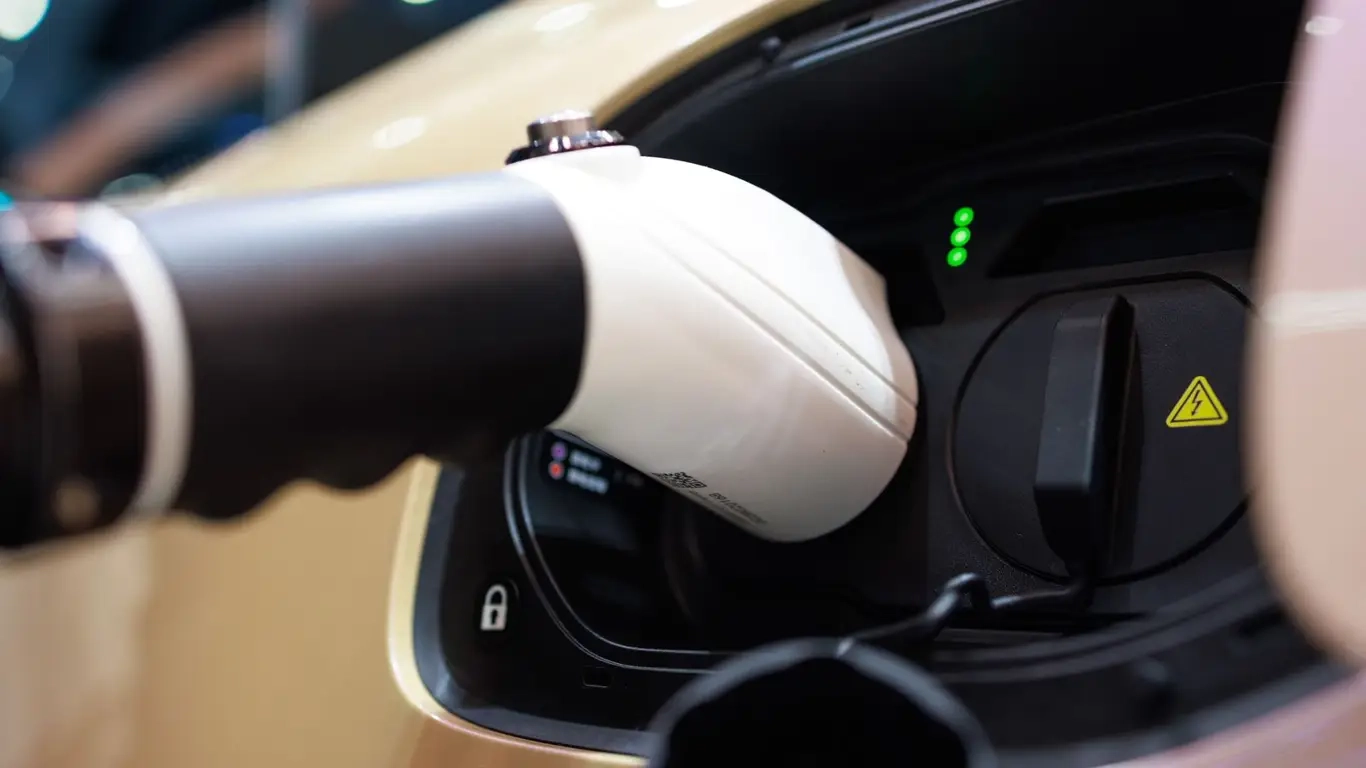

V2L in electric cars was sold to us as a small revolution: the vehicle turns into a huge battery on wheels, ready to power a fridge, a drill, a pump, a camping kettle — anything you plug in. Sounds great. The ADAC test showed something else: this idea still has a long road ahead before it matches a plain wall socket.
The German auto club gathered six EVs with V2L on board: BMW iX3, BYD Seal, Kia EV5, MG4, Renault 5 and XPeng G9. On safety — zero complaints. All six reacted properly to overloads and short circuits, cut the power and stayed intact. Plug the adapter back in, and V2L came back to life on most cars as if nothing had happened.
Then the oddities started. After a short circuit, the Renault 5 demanded a ritual worthy of its own chapter in the manual: unplug the adapter, leave the car, and carry the key outside the signal range for several minutes. One small problem — that chapter doesn’t exist in the manual. ADAC testers had to figure it out themselves. Picture this scenario at a cabin ten kilometres from the nearest service centre: your power outlet on wheels suddenly goes silent, and you have no idea what just happened.
Every brand has its own ritual just to switch the thing on. BMW iX3 and XPeng G9 fire up the power automatically as soon as you plug the adapter in. BYD and Kia want a button press on the adapter itself. MG sends you into the infotainment screen. Renault — a long button hold. The goal is the same for everyone: deliver mains power from the traction battery. The path? Six different brands, six different routes, as if their engineers were all reinventing the light switch in parallel.
But the real surprise was hiding in the energy figures. While V2L was running, the tested EVs burned 390 to 500 W just on their own systems — regardless of what was actually plugged in. If you’re running a heavy power tool, that overhead disappears into the noise. But plug in a 50 W camping fridge? Then most of the energy goes not into the fridge, but into keeping the car awake.
ADAC ran the math: an EV with a 60 kWh battery and roughly 450 W of self-consumption will drain to zero in under five and a half days — even with nothing plugged in. V2L is great as an emergency power source or a quick fix. As a permanent supply for low-draw gear, it’s not always the smart choice.
Error messages are a separate headache. The BMW shows the exact same text for every fault: “incompatible device”. Overload, short circuit — same screen. Kia is more accurate about overcurrent, but a near-identical message also pops up for a short. BYD is ready to send the owner straight to the dealer over an error that might be far less serious than it sounds.
The takeaway for buyers is simple. V2L is a useful trick, not magic. It will save you outdoors, in the garage, during a blackout, on a worksite with no socket nearby. Just don’t buy an EV based on the “V2L included” tick in the spec sheet — look at the adapter’s output, weather protection, how intuitive it is to switch on, and how clearly the car explains its own faults.
An electric car really can become a giant power outlet on wheels. It’s just that every carmaker is still building that outlet from its own blueprint — and they don’t look ready to agree on a common one anytime soon.