
When Volkswagen first launched the Atlas in 2017, it brought a combination of space and style that was missing in the SUV market, according to Kjell Gruner, President and CEO of Volkswagen of America. He emphasized that the all-new 2027 Atlas offers more of what truly matters: a more thoughtful design, advanced technology, increased power, and premium quality in key areas.
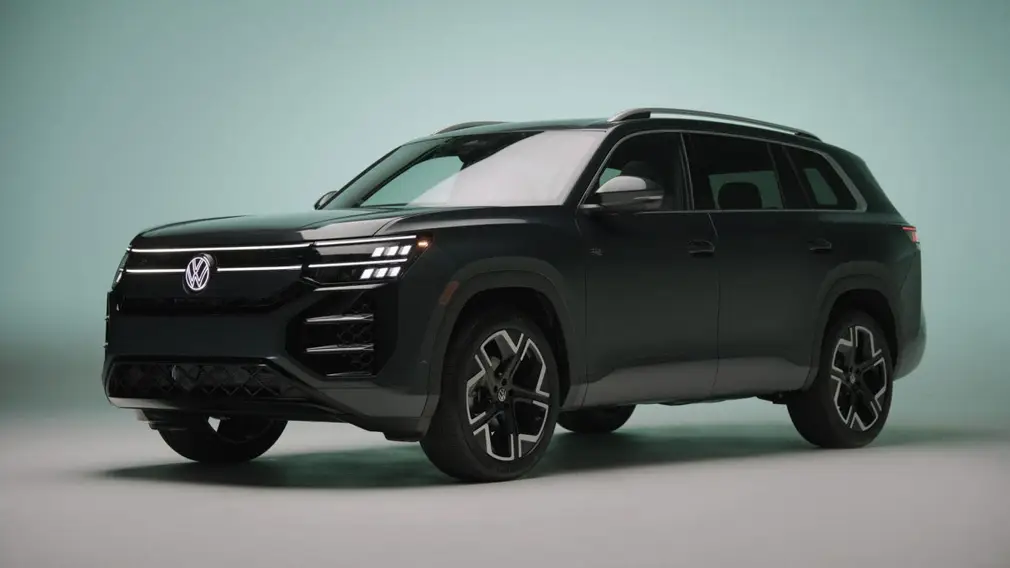
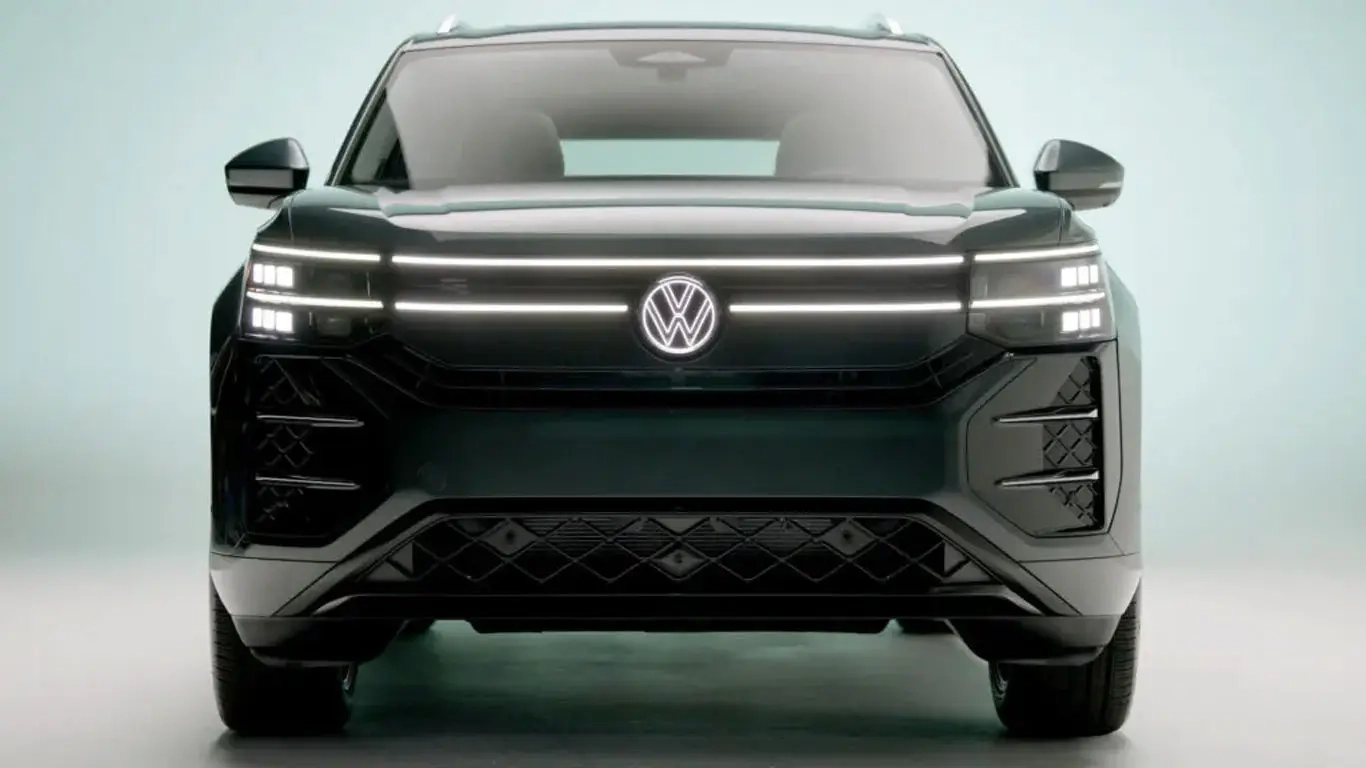
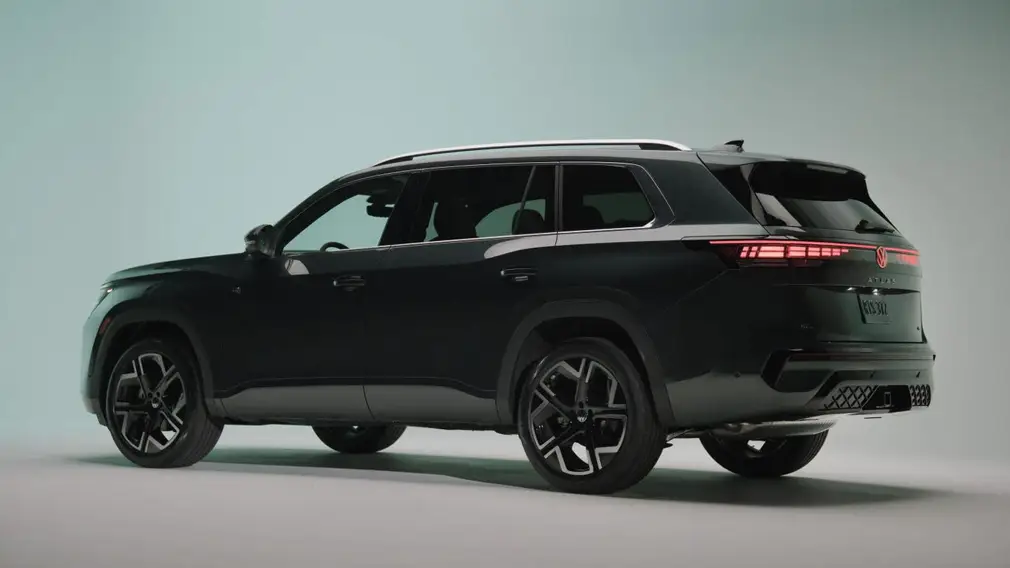
The design of the new model is unmistakably Volkswagen: simple and clean, yet not boring. Its classic appearance starts at the front with dual headlights, a concealed upper grille, and a light strip featuring the VW logo that illuminates to signal the vehicle's approach. A similar effect is used on the rear taillights, ensuring you remember who passed you.
Built at Volkswagen's plant in Chattanooga, Tennessee, this vehicle comes with three wheel size options: 18 inches for the base model only, 20 inches, and 21 inches, giving the body added proportion. For 2027, the new Atlas introduces three fresh colors: Blackberry, Sandstone, and Sacramento Green.
The latest Volkswagen model is based on the updated MQB Evo platform, which makes the 2027 Atlas about 2.5 cm longer than its predecessor. Officials claim there's still ample room for people and cargo, even in the third row.
Under the hood, potential buyers will find a new 2.0-liter turbocharged four-cylinder TSI engine with direct injection, the EA888 evo5, producing 282 horsepower and 340 Nm of torque. It pairs with an 8-speed transmission and front-wheel drive as standard, though Volkswagen's 4Motion all-wheel drive is available. Volkswagen has not hidden that a hybrid model is expected as part of a mid-cycle update.
Engine power sets a new benchmark for the Atlas. Despite a 13 hp increase in the new model, officials note that fuel efficiency has also improved, though specific figures are not provided. Towing capacity for models with a factory-installed hitch is 5,000 pounds, and payload capacity remains unchanged from the previous model.
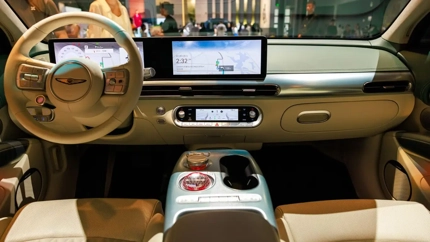
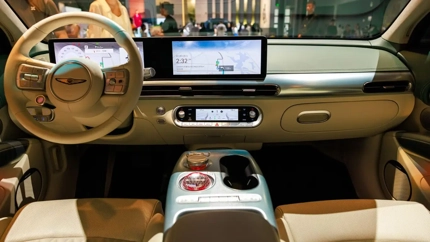
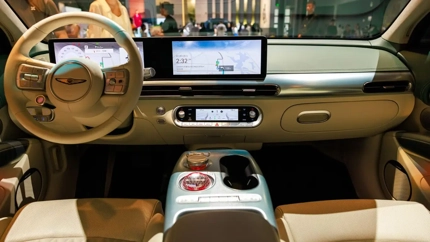
While most changes focus on the exterior, Volkswagen has also updated the interior, starting with a 15-inch touchscreen. Company leaders report that the entire cabin was developed under a unified, strong architectural vision.
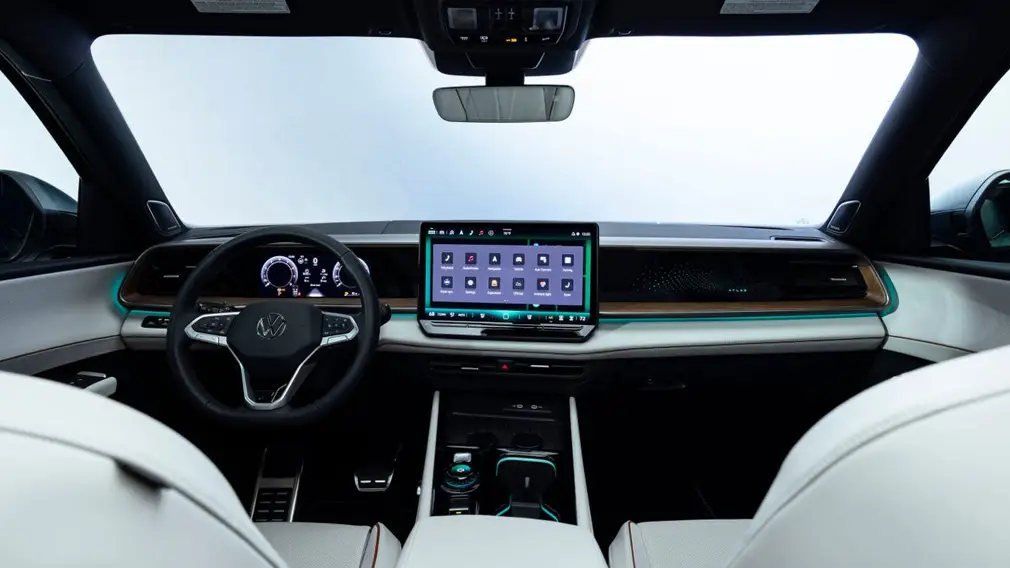
For example, designers moved the gear selector from the center console to the steering column to free up space for larger cup holders and ambient lighting controls, which can be set to 30 colors depending on the model. An ambient light strip runs across the dashboard and down into the footwells, also framing the cup holders. Atlas owners can use the standard Atmospheres feature to combine lighting and sound settings inside the SUV.
The interior features pleasant-to-touch materials, including natural wood and two leather options in three available colors: airy gray-blue, somber black and gray, and a rich wine color, which is new for 2027. The base model uses leatherette, but the two upper trims offer Varenna or Nappa leather upholstery.
Leather seats in the top trims not only look good but are heated and ventilated in the front and second row. Higher trims offer a driver's seat with four-way massage. Comfort is great, but it's even better with excellent sound, and Volkswagen provides a Harman Kardon audio system with 14 speakers. A nine-speaker system comes standard in the base trim.
All these features can be controlled via the aforementioned 15-inch infotainment screen, except in the base model, which has a 12.9-inch screen—still a good size. A new Driver Experience Dial on the center console allows adjustment of volume, selection of drive modes, and activation of the Atmospheres function.
The console also has space for two mobile phones, which can be charged simultaneously with the updated Qi2 wireless charging. Additionally, the vehicle includes seven USB-C ports. A one-year trial subscription to Premium Speech—Volkswagen's generative AI voice assistant—helps with natural language processing tasks.