
Ford aims to have 90% of its vehicles equipped with updated electric architectures by 2030, based on sales volume. These architectures will serve as the foundation for new digital features, a proprietary user interface, hardware solutions, and more advanced over-the-air updates.
The company expects this foundation to enable a quicker rollout of Ford Digital Experience and BlueCruise software. The driver-assistance system is already being expanded across the Ford and Lincoln lineups, and will eventually come to the Bronco, Ranger, and Mustang.
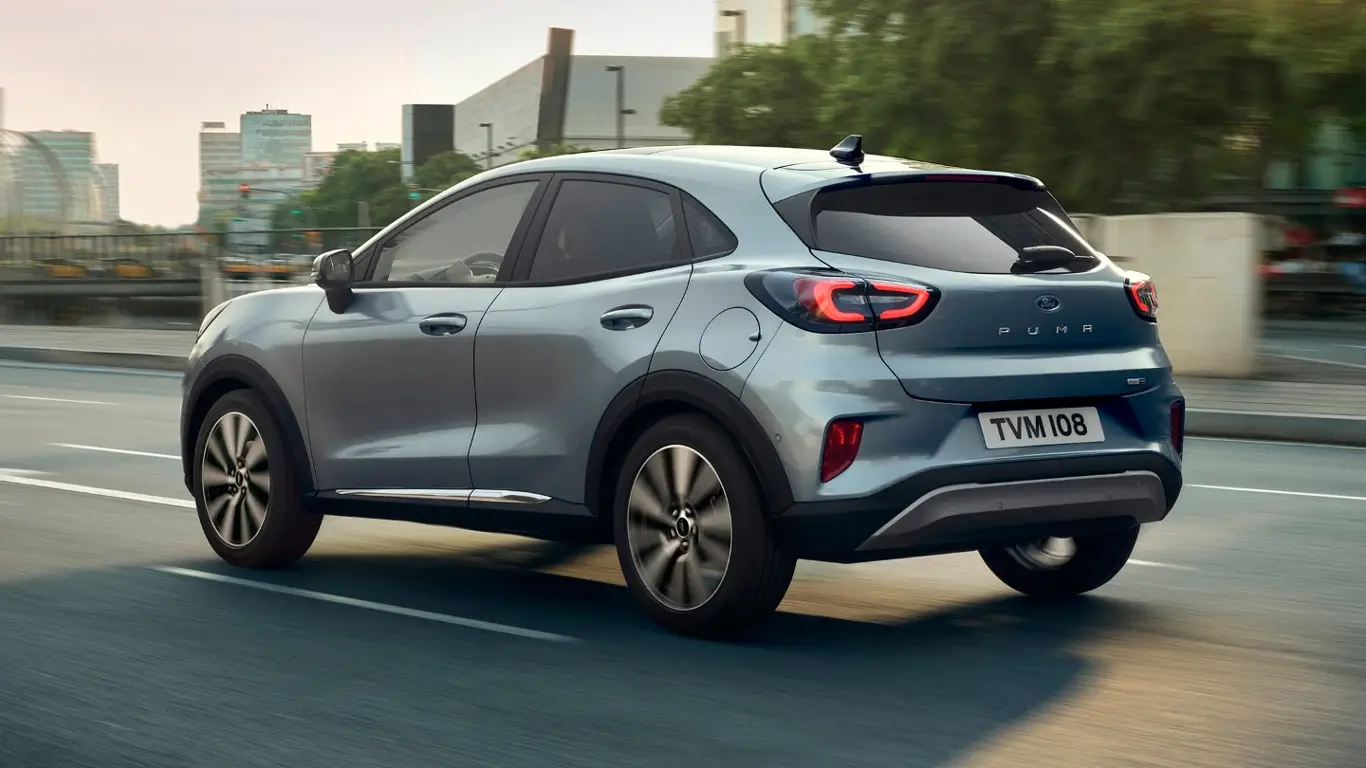
In Europe, BlueCruise is already available for the Ford Puma, Ranger PHEV, and Kuga. After receiving regulatory approval in 2023, the system first became operational in the UK and was later approved in another 16 markets across the region. Today, owners can use it on over 84,000 miles (approximately 135,000 km) of pre-mapped highways.
The key enabler is the shift to the FNV3.X architecture, which is compatible with both internal-combustion and electric vehicles. Ford's upcoming mid-size electric pickup and models based on the Universal EV Platform will get more frequent OTA updates. Since the software is developed internally, Ford won't have to coordinate each update with multiple suppliers. This will give the company a key competitive edge among new cars arriving in 2026 and beyond.