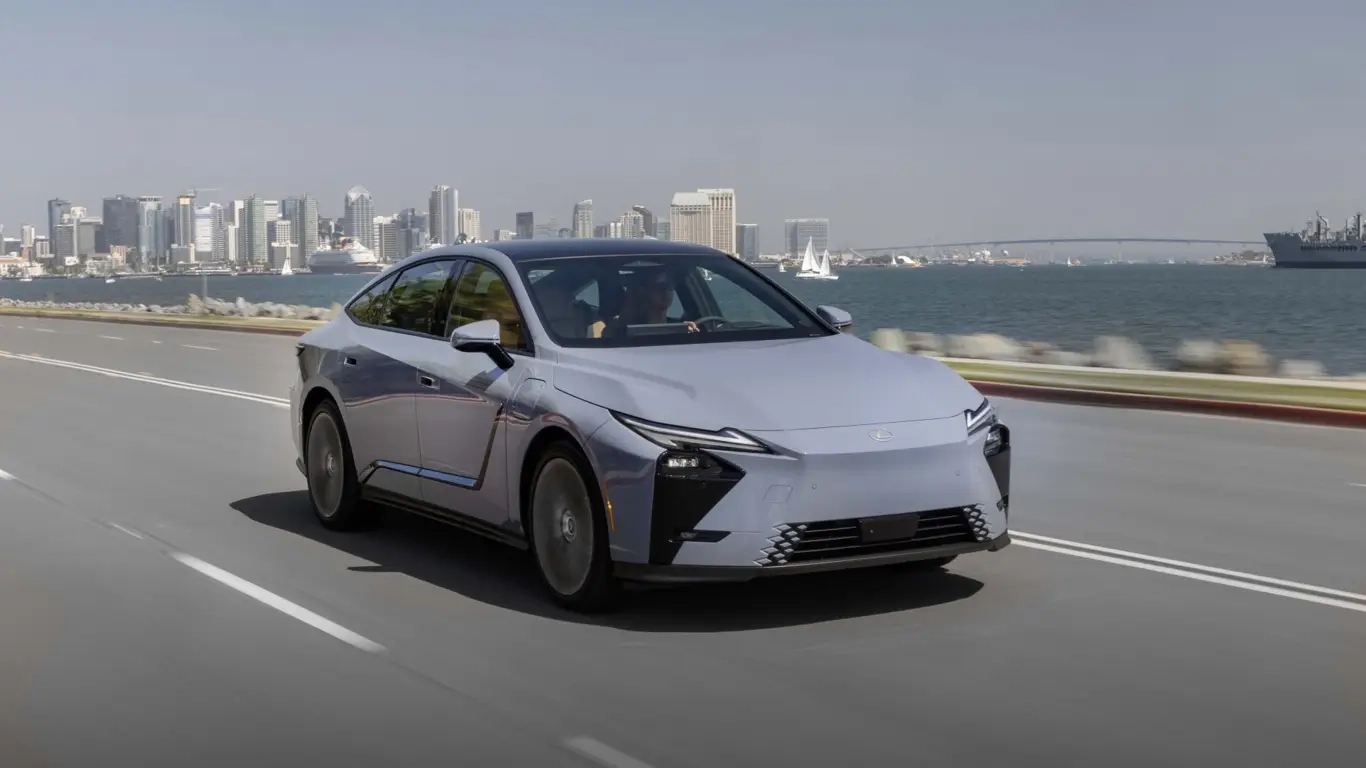

Lexus is bringing the eighth-generation ES to European markets. The sedan has grown larger, now offers hybrid and fully electric versions, and partially fills the gap left by the LS's departure.
The new ES is centered on the concept of an electrified business sedan. Four powertrains are available: hybrid ES 300h and ES 350h, plus electric ES 350e and ES 500e. The electric models come with all-wheel drive, while the hybrids can be had with either front- or all-wheel drive.
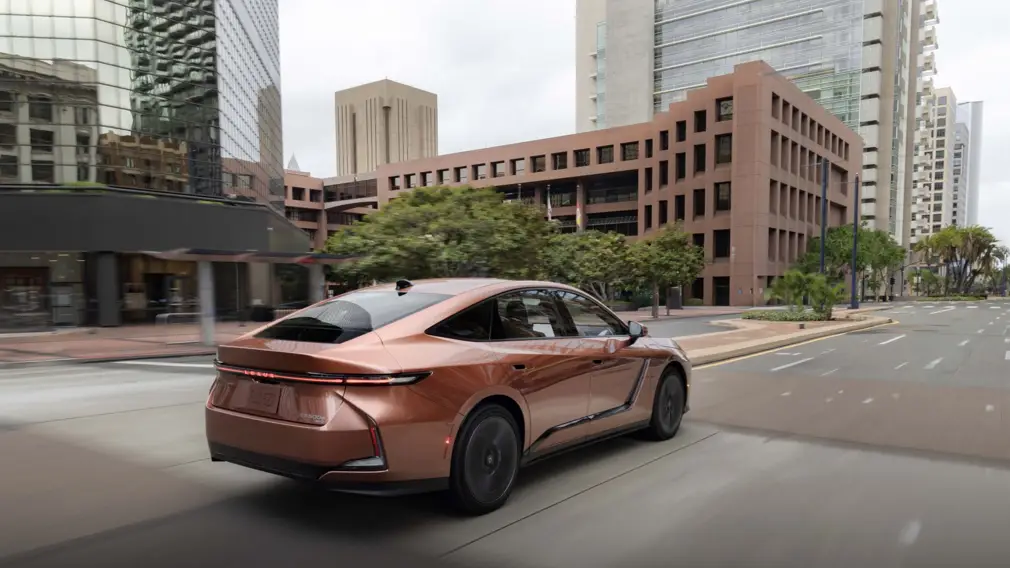
The electric ES 350e produces up to 224 hp, while the top ES 500e delivers up to 343 hp with the Direct4 system. The batteries have a usable capacity of 72 kWh and 71 kWh respectively, offering a range of up to 581 km and 529 km. AC charging is supported at up to 22 kW, and fast DC charging at up to 150 kW; a 10–80% charge takes about 30 minutes.
Hybrids use a 2.5-liter gasoline engine, eAxle, and a new lithium-ion battery. Combined output is 196 or 247 hp. This part of the range is more familiar for buyers not ready to rely on charging infrastructure but still wanting a economical large sedan.
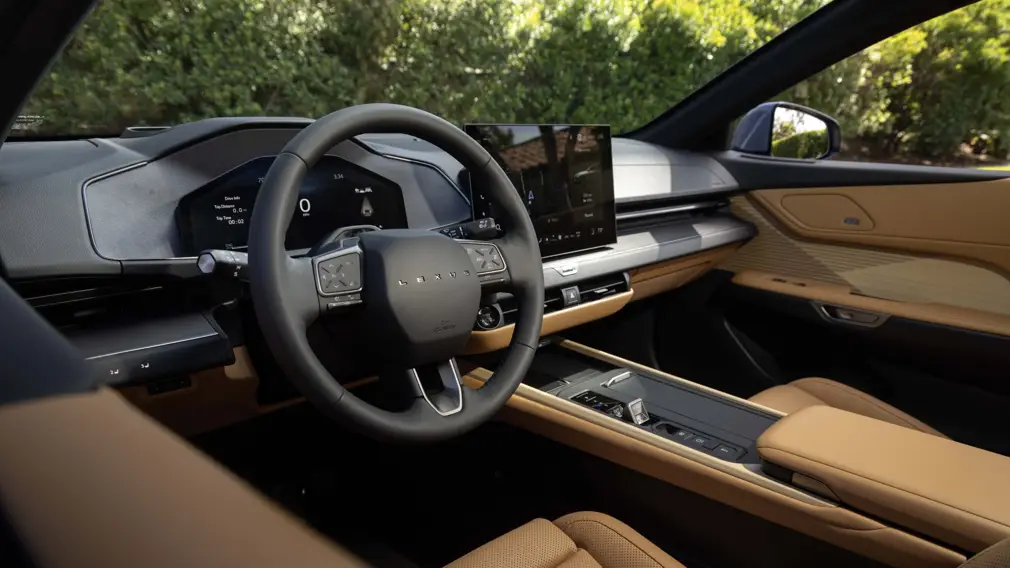
Features include 21-inch wheels, a new multimedia system with a 14-inch screen, a 17-speaker Mark Levinson audio system, adaptive suspension, adaptive high beam, ottoman seats, and a fold-down front passenger seat. In North America, the electric ES 350e starts at $48,795 (about 3.5 million rubles) and the ES 500e at $51,795 (about 3.71 million rubles).
Lexus clearly doesn't want the ES to be just another electric sedan. It's built to feel large, quiet, and upscale — for those who miss traditional business-class sedans but are already looking at a plug.