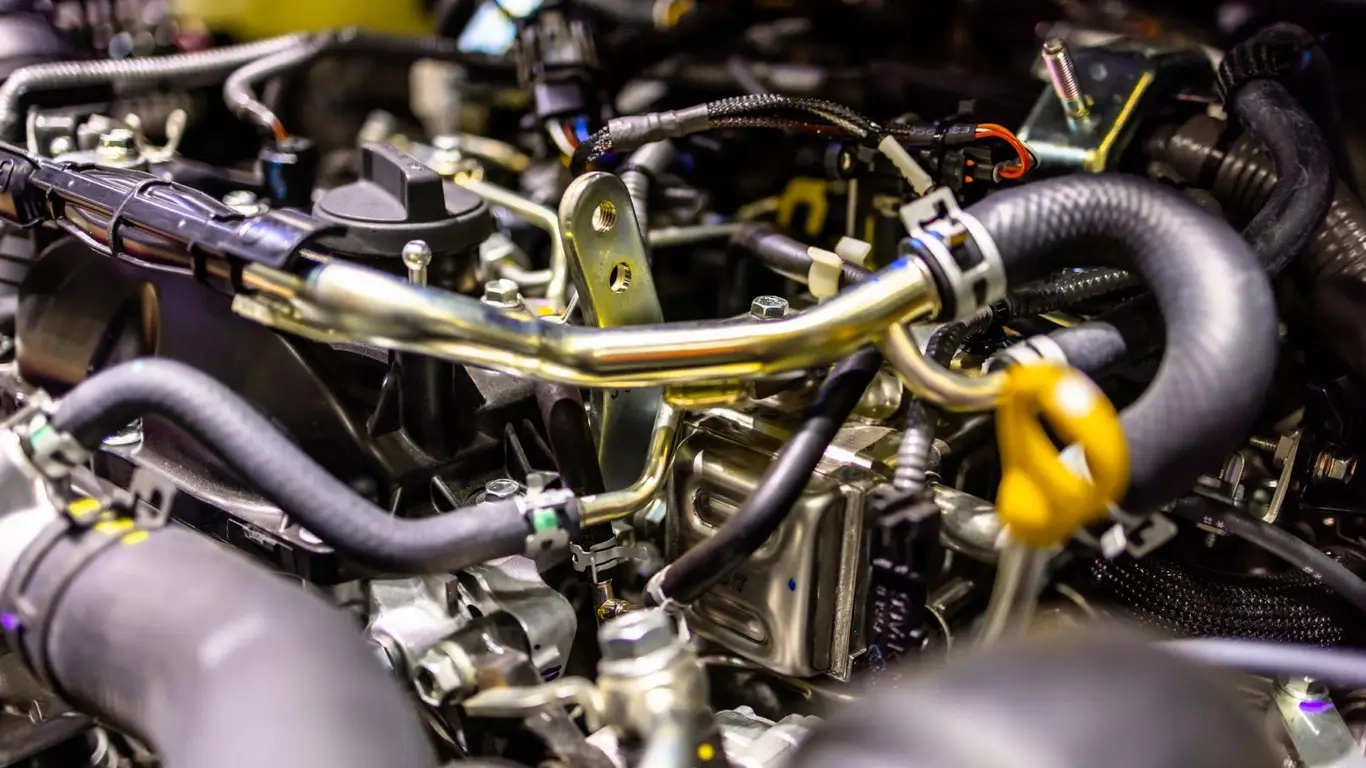

Not every heart beating under a supercar's hood is born special. Sometimes the most expensive, most status-laden car on the road hides a motor that started its career in a family minivan, a city hatchback, or even a taxi. The magic? It lives in the hands of the engineers who turned that humble unit into a star.
Take the Aston Martin Vantage and Mercedes-AMG G63 — the perfect example of this double life. Under both hoods sits the very same 4.0-litre AMG M177 biturbo V8. But the personalities couldn't be further apart. In the G-Class it remains the powerplant of a status SUV with military roots, delivering 577 hp. In the Vantage it gains British attitude, an 8-speed automatic, and a savage 656 hp. One engine block, two completely different machines.
But the wildest story belongs to the Koenigsegg CC8S. The Swedish hypercar, the very symbol of Koenigsegg's beginnings, was built around … a 4.6-litre Modular V8 from the Ford Crown Victoria. Yes, that Crown Vic — the one America knew for police lights and New York taxi fleets. The Swedes bumped displacement to 4.7 litres, swapped almost every internal part, bolted on a supercharger — and pulled 655 hp out of it. Total production? Six cars. From taxi cab to hypercar in one mighty leap.
The Nissan 350Z has its own unexpected family secret. Its 3.5-litre VQ35DE V6, the darling of tuners and the symbol of the 2000s Japanese sports coupe, was quietly fitted to the Renault Espace IV in Europe under the modest V4Y badge. In the sports car — 287–300 hp and a flat-out scream on track. In the minivan — 241 hp and silence on the school run. One engine, two universes.
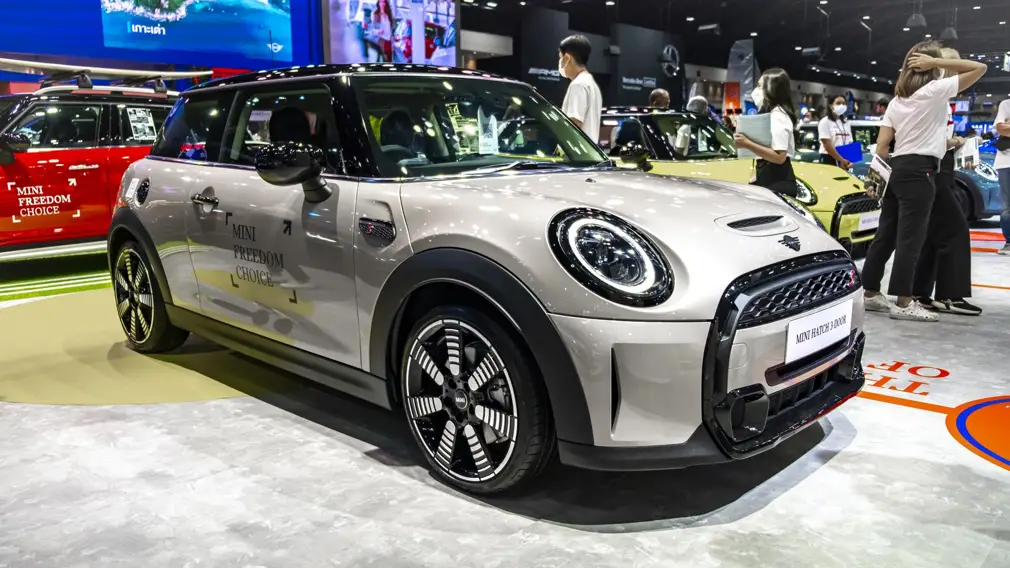
The BMW i8 looked like a car from the future. But beneath that futuristic shell hid a detail the fans tried hard not to notice — a 1.5-litre three-cylinder B38, the close cousin of the engine in the entry-level Mini Cooper. In the Mini it made 134 hp and shuttled students across London. In the i8 it delivered 228 hp and, paired with an electric motor, produced 369 hp total. Quick? Absolutely. But some fans had hoped for something a little more … dramatic under that bodywork.
And then there's the Audi S6 of the C6 generation — pure fantasy dressed in a business suit. Tucked under the executive sedan's hood sat a 5.2-litre V10 related to the Lamborghini Gallardo. Not an exact copy, of course — the Germans redesigned the camshafts, block, pistons, and crankshaft, ending up with 429 hp and 540 Nm. But the very idea — “almost a Lamborghini” in a tailored suit — still hits harder than any ad campaign.
These stories don't cheapen the legends. Quite the opposite. They prove a simple truth — an engine's character isn't decided by where it came from, but by the hands of the people who chose to make it something more.


