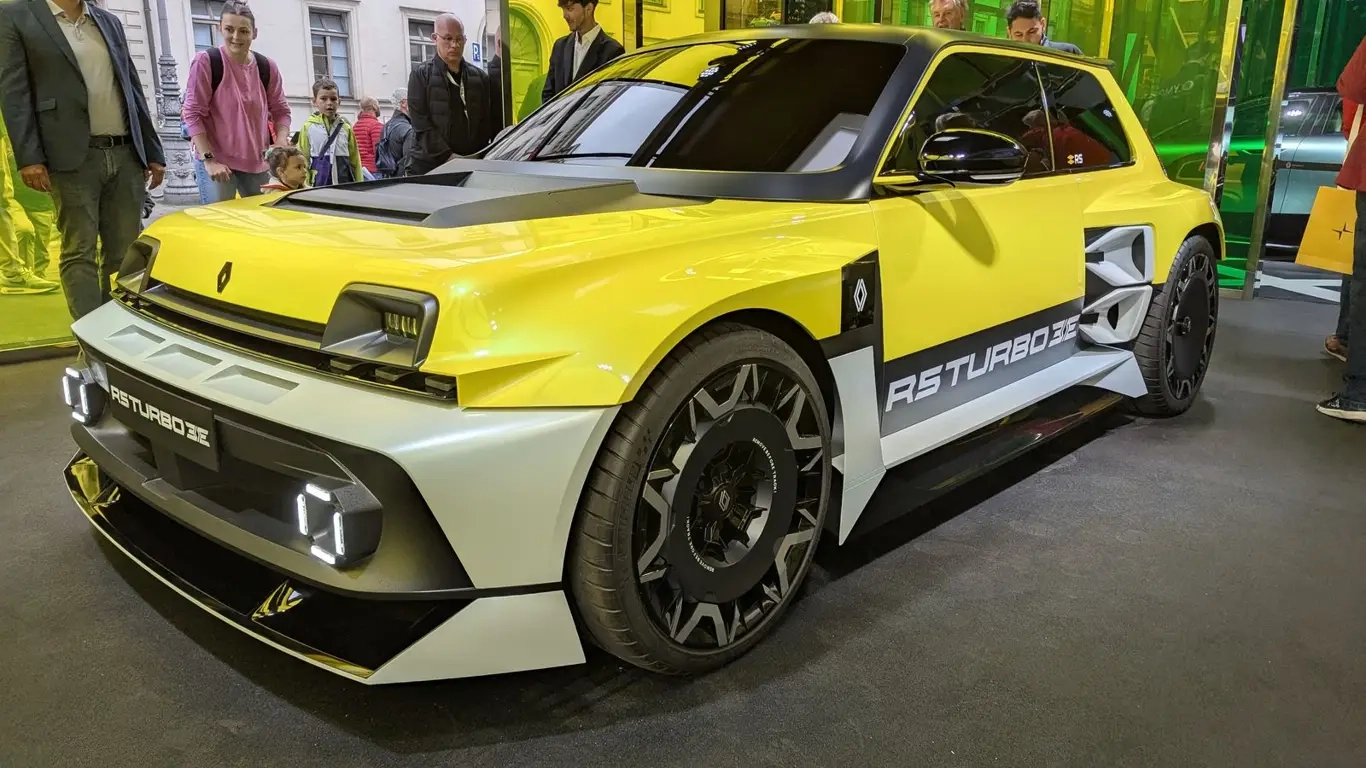

A car showroom opened in Seoul where not a single salesperson is on the floor. Not at night, not by accident — not at all. Renault tried what other brands keep eyeing from the sidelines: pull the manager out of the equation and see what’s left.
The showroom sits in Gangnam — the most expensive district of the South Korean capital. It runs 24 hours a day, seven days a week. Walking in takes a QR code: smart authentication unlocks the door, and from that point on, the customer is alone with the cars. No one walks up smiling thirty seconds after they enter. No one asks about the budget.
The idea is simple and almost radical: take the pressure out of buying a car. Compare versions, study the equipment, sit behind the wheel of the display models — as long as you want. Renault calls it a phygital format: the digital storefront stays, but the metal is right there, ready to be touched, walked around, inspected three times over. No rush, no negotiation.
Inside — an AI consultant on big screens, online test-drive booking and even a restaurant. Not a coffee corner but a full-blown venue, Very Kitchen Gangnam: sandwiches and salads by day, fusion cuisine with wine by night. For Renault’s global network, this is the first case of a dealership stepping into proper hospitality. The showroom itself feels less like a car dealer and more like a fashionable urban hub: glass facade, large digital panels, minimalism. The bet is that visitors will linger longer than fifteen minutes — and come back.
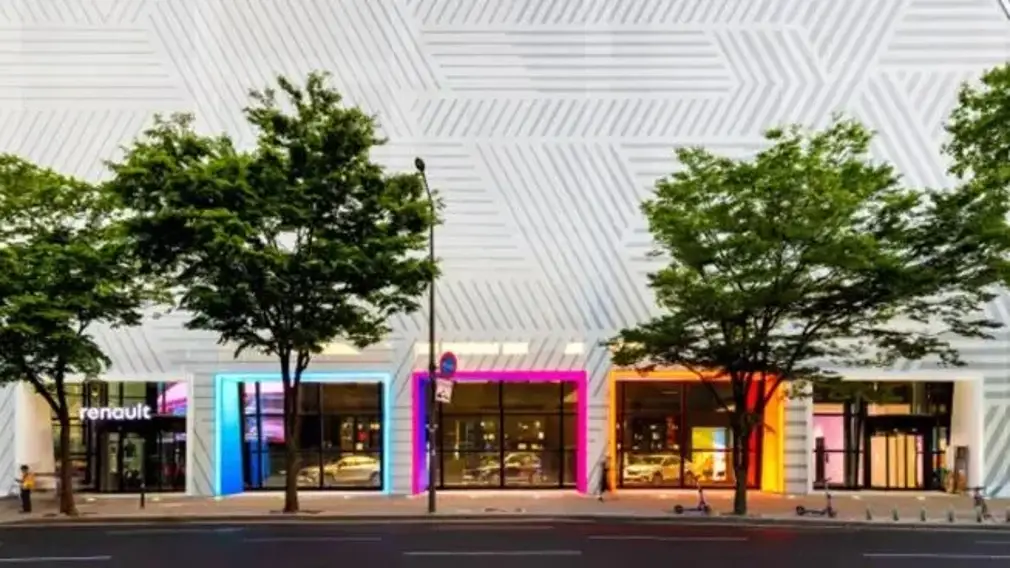
For Renault this isn’t just a flashy address in a trendy district. It’s a testing ground. Automakers have spent years probing how many stages of a purchase can be moved into digital without losing the customer’s trust. Fully online — convenient, but a car is still one of the biggest purchases of a lifetime. People still want to sit inside, touch the materials, check the sightlines. That’s exactly the psychology Gangnam is courting: digital not instead of the metal, but next to it.
The format claims a middle ground: less pressure, more freedom, no tying yourself to the dealer’s schedule. One question is left. Will people buy a car in a place where a living human shows up only after they ask for one themselves?


