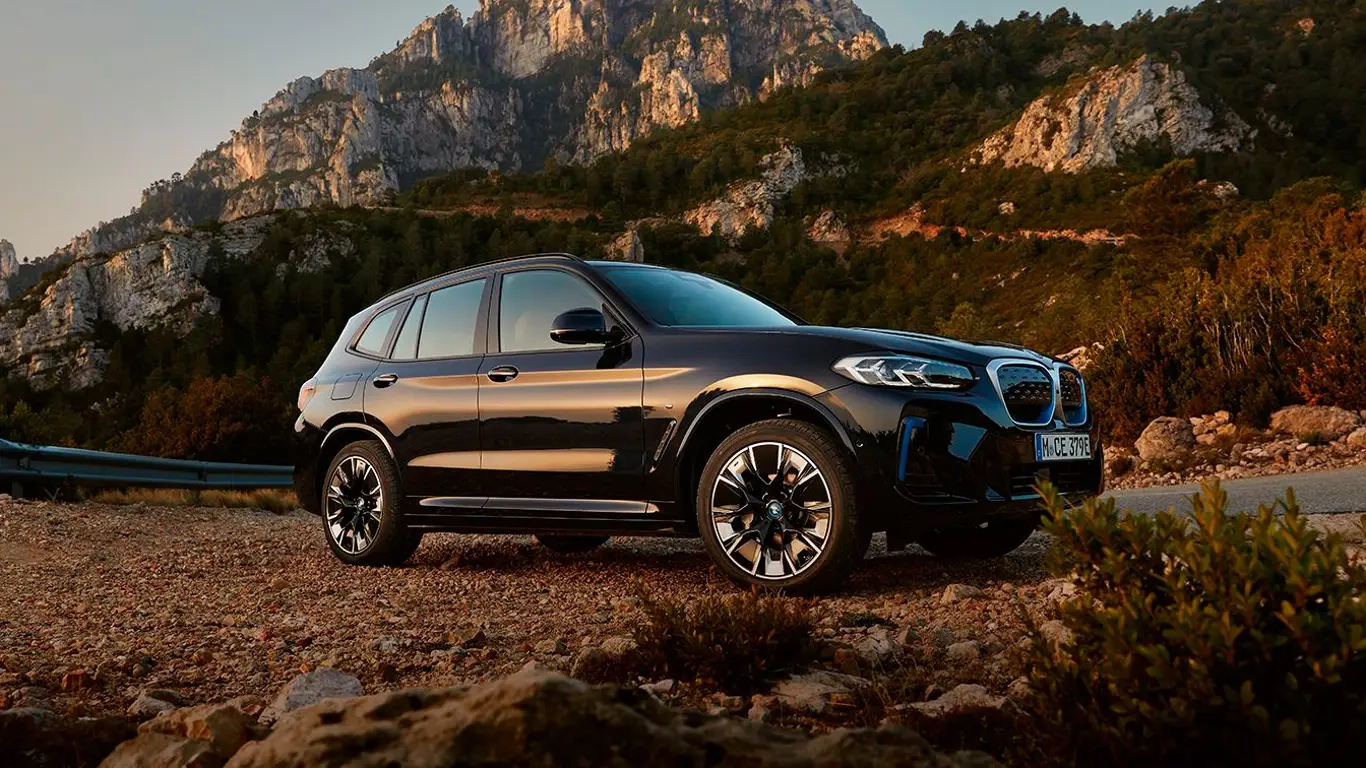

Nobody saw this coming — the debut run under Euro NCAP’s brand-new protocol ended in a plot twist. The German test centre finally rolled out its 2026 standards, and the first cars in the firing line were the BMW iX3 Neue Klasse and the Zeekr 7GT. Both walked away with five stars. But the Chinese newcomer left the German icon behind on almost every front.
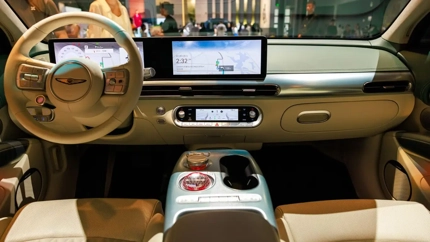
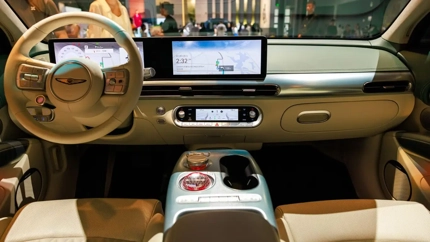
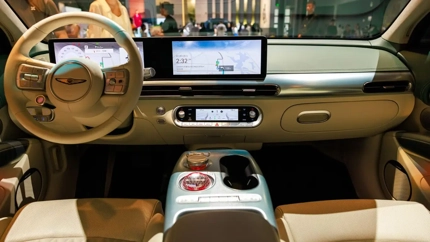
The new methodology throws the old playbook out. Vehicles are now scored across four stages: safe driving, crash avoidance, crash protection and post-crash safety. In Safe Driving the BMW iX3 50 xDrive managed 73%, while the Zeekr 7GT Privilege AWD hit 79%. The German car was punished because its system can’t detect an improperly routed seatbelt and can’t tell whether the front passenger is seated correctly. What saved iX3’s pride? Real physical buttons for critical functions — something the Chinese newcomer skipped. Almost everything on the Zeekr lives on the centre screen, and Euro NCAP docked points for it.
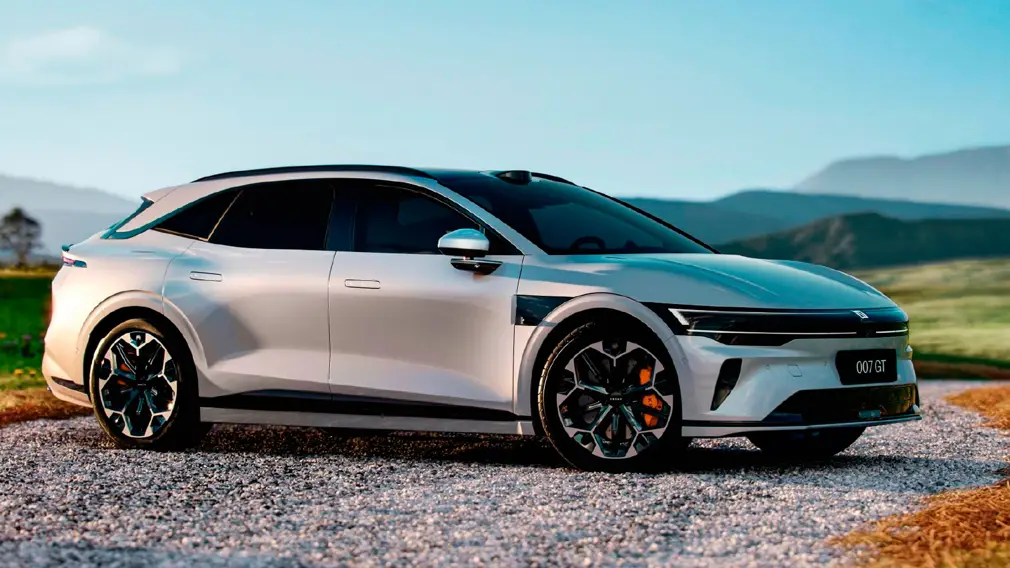
Crash avoidance widened the gap even further: Zeekr pulled 89%, BMW settled for 83%. Euro NCAP called the Chinese system’s behaviour near-flawless. One rare trick got a special mention — a dooring-prevention feature that stops occupants opening a door into a cyclist approaching from behind.
Crash protection told the same story: 93% for Zeekr, 86% for iX3. The German was undone by driver-chest results in the full-width rigid barrier test — protection for the small-female dummy was rated only ‘marginal’. Then came post-crash safety, and here both cars locked horns at 95%. Textbook high-voltage battery isolation, standard centre airbags, doors that still open after impact. The Zeekr only slipped a couple of points because it lacks a third-party eCall service — otherwise the score would have climbed higher.
A couple of years ago the idea of a Chinese electric car beating a BMW in a European safety test would have sounded like a joke. Today it’s printed in the official report.