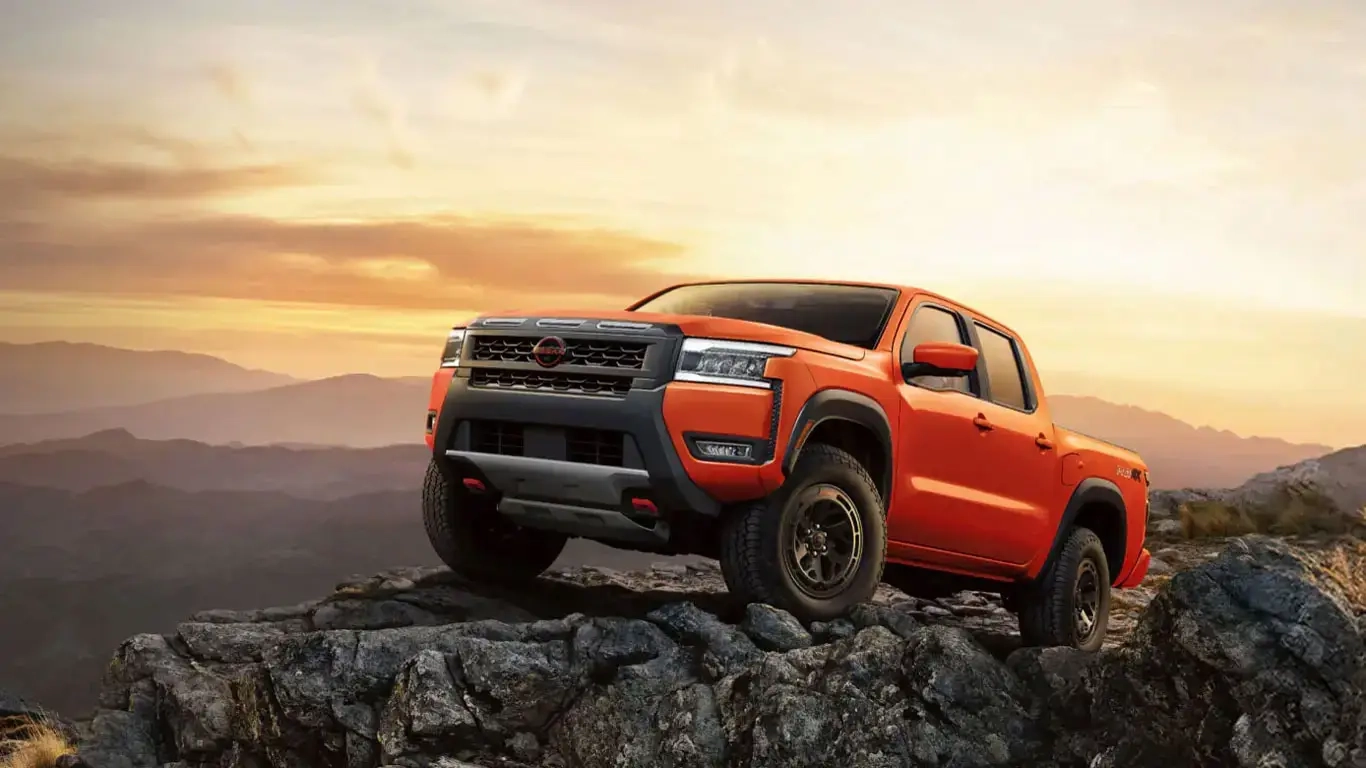

A real paradox from the latest IIHS round. The safety cage of the 2026 Nissan Frontier shrugged off everything thrown at the passenger side and earned the institute’s top “good” rating. The electronics that are supposed to save you before the crash, however, were a different conversation entirely.
In the passenger-side small overlap test, the US Insurance Institute for Highway Safety handed out “good” ratings across almost every line: body structure, head, neck, chest and hip protection. The airbags did their job — the dummy’s head never met any hard interior surface. The single blemish? Loads on the passenger’s lower leg and foot, where the score dropped a tier.
In the moderate overlap front test, the Frontier again held its ground. The side impact, though, killed the perfect run: “acceptable,” with the IIHS calling out a clear problem — the rear passenger’s head moved too freely and made contact with the C-pillar area through the side curtain.
And it gets more interesting. Driver assistance systems turned out to be the truck’s real weak spot. Pedestrian crash prevention — only “acceptable.” The headlights are even messier: three variants for the 2026 model year, two of them rated “acceptable.” The base setup on S and SV trims got the worst of it, with the institute flagging glare and inadequate visibility on the left side of the road.
On the market, the Frontier remains one of the more affordable midsize pickups in the US. Nissan is asking from $32,150 for the 2026 model, while the range-topping PRO-4X Long Bed starts at $42,370 — before destination and fees.
Under the hood — a naturally aspirated 3.8-liter V6 paired with a 9-speed automatic. The Crew Cab S 4x2 returns roughly 11.2 l/100 km, while the four-wheel-drive PRO-4X 4x4 Long Bed sits around 13.1 l/100 km.
Earlier, Nissan reported a decline in global sales and exports in April 2026.


