
Picture this: you've just been in an accident, and your car has already exchanged paperwork with the other driver. No torn bumpers, no shaking hands fumbling with a phone, no rummaging in the glovebox for the insurance card. That's exactly the kind of system General Motors has just patented — and the patent was published on June 16, 2026.
The idea is brazenly simple and brazenly convenient: drivers won't have to climb out of the car, dig for documents and copy data on the roadside in the rain. The vehicle itself detects the collision, broadcasts a special message to nearby cars and tries to identify the second party. Every sensor on board pitches in — cameras, radars, lidars, the usual ADAS suite — backed up by V2V and cellular communication.
Once two vehicles “recognize” each other as participants in the same collision, they can exchange encrypted reports. Inside: insurance details, driver's license info, vehicle registration, time and place of the crash. The driver only has to confirm the exchange and review what the other side sent. That's it. No pens, no paper, no nerves.
But there's a catch — a big one. A patent doesn't mean the tech will roll into Chevrolet, GMC, Cadillac or Buick showrooms tomorrow. GM has merely staked out the technical solution. Whether and when it appears in production cars is anyone's guess. And there's another story altogether: how this beauty squares with personal data laws, because trading licenses and insurance over the air between two cars sounds wonderful right up until the first call from a regulator.
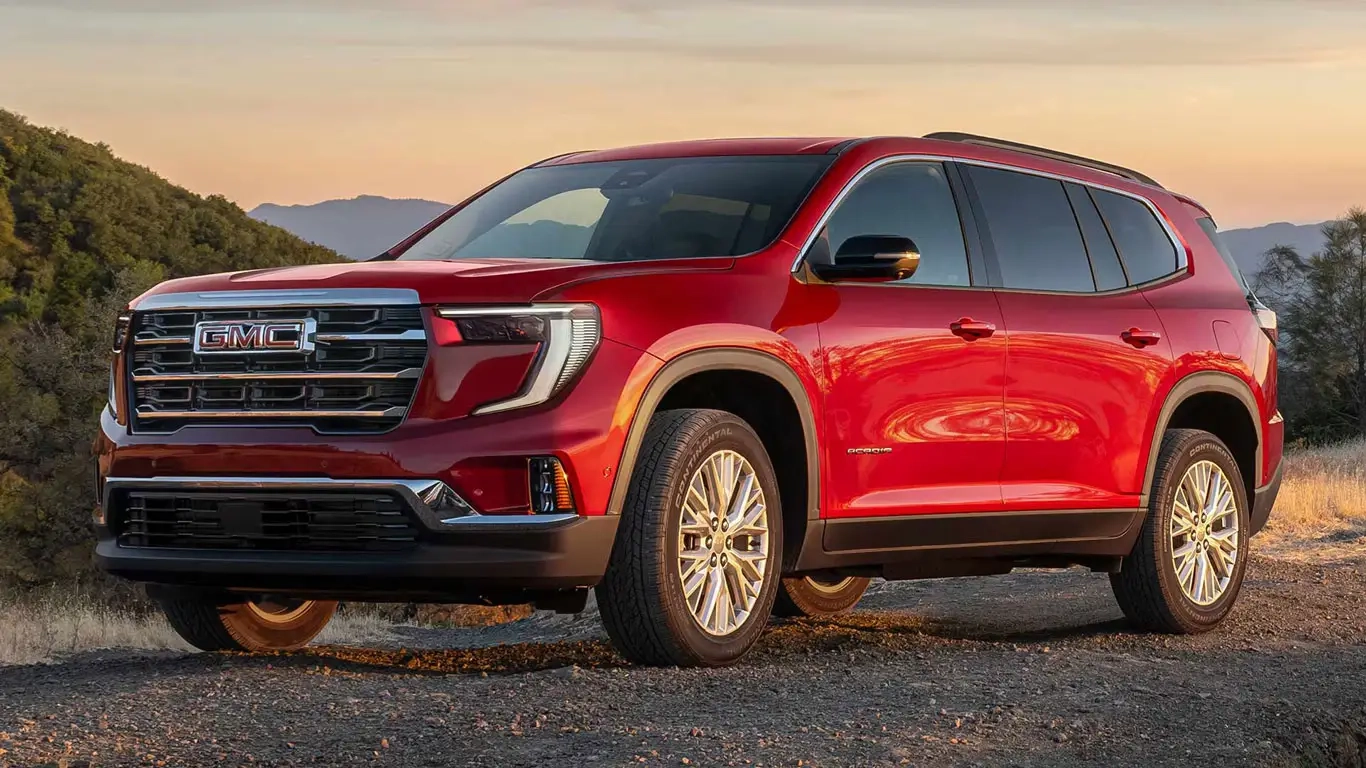
Earlier it was reported that the 2027 GMC Acadia Denali will go without Super Cruise as standard.