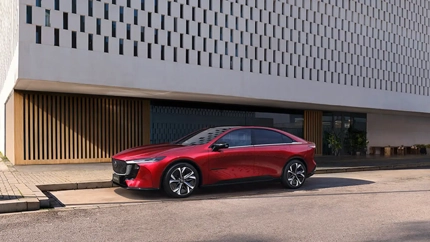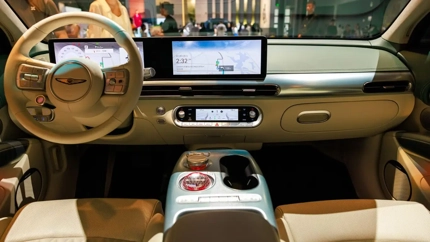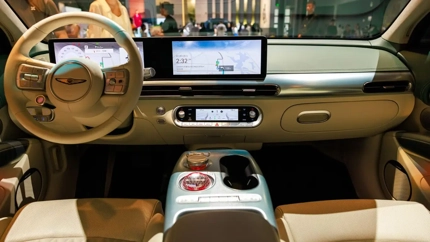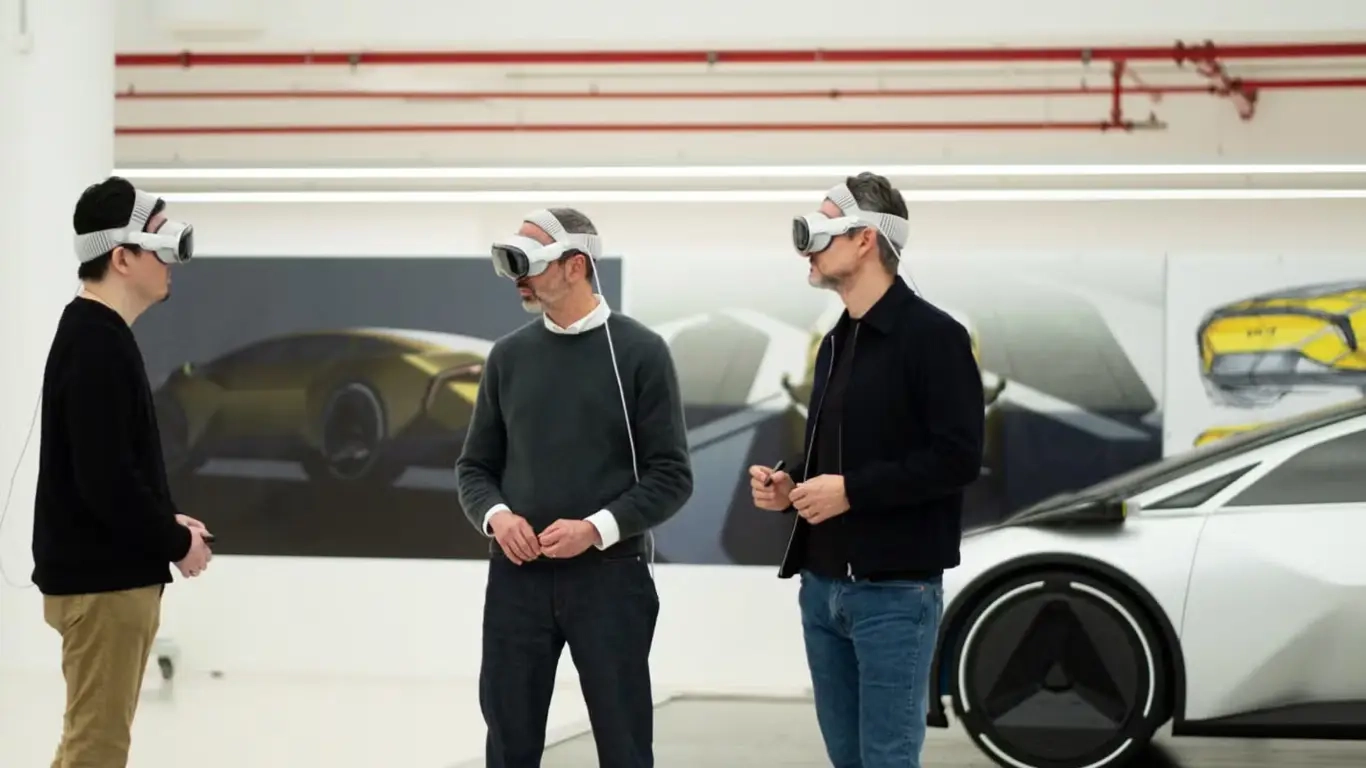

Kia didn’t wait. While rivals spin clay models and argue over proportions on video calls, the Koreans have pushed Apple Vision Pro into the very heart of their design studio. Not as a flashy presentation toy — as a working tool. Through NVIDIA CloudXR and Autodesk VRED, engineers and designers now look at future cars at full size long before the first mock-up ever meets a milling cutter.
The key part: no compromises. The complex 3D model isn’t stripped down to a skinny version just to fit the headset. Rendering runs on powerful RTX workstations or in the cloud, while Apple Vision Pro delivers the result with minimal latency and maximum detail. The designer sees proportions, surfaces, color, reflections and materials as if the car were already standing there. And you can walk around it.
For Kia, this is a strike at the most expensive part of early development. Endless approvals, teams flying between continents, intermediate mock-ups born and killed in a single week. Now global studios can discuss the same model in a shared space and grasp faster where the body looks heavy, where the roofline argues with the rear, and where the chosen color breaks the form.
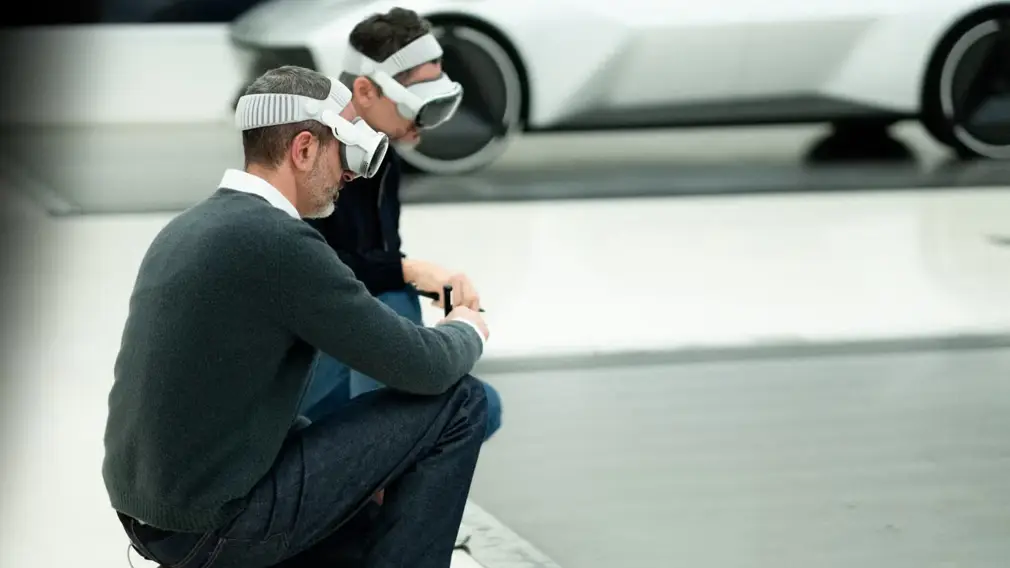
Kia’s head of global design, Karim Habib, put the idea plainly: “Integrating immersive spatial computing into our workflow with NVIDIA CloudXR for visionOS allows us to evaluate our designs at full size with greater clarity and speed on Apple Vision Pro.” According to him, teams can see proportions, surfaces, colors and materials together in a real environment and collaborate in real time.
This doesn’t kill physical prototypes. The car still has to be touched, the panel gaps checked, the ergonomics tried, and the look judged on a real street under real sun. But early mistakes should drop sharply, and the path from idea to approved shape — shorten. And that’s the decisive bit. Chinese brands roll out new models at a frightening pace, and in that race saving time isn’t a beautiful technology — it’s survival.
For the buyer it means a simple thing. More frequent updates. Bolder interiors. Fewer compromises between what the designer intended and what actually rolls off the line. The goggles don’t draw the cars themselves — not yet. But contentious decisions can now be spotted before they turn into expensive metal.