
Mitsubishi Fuso promised to zero out emissions at its factories by 2039. It just did — 14 years early. Sounds like a triumph. There’s a catch: the balance hit zero, not the actual emissions. The rest of the CO2 was simply bought back as certified carbon credits.
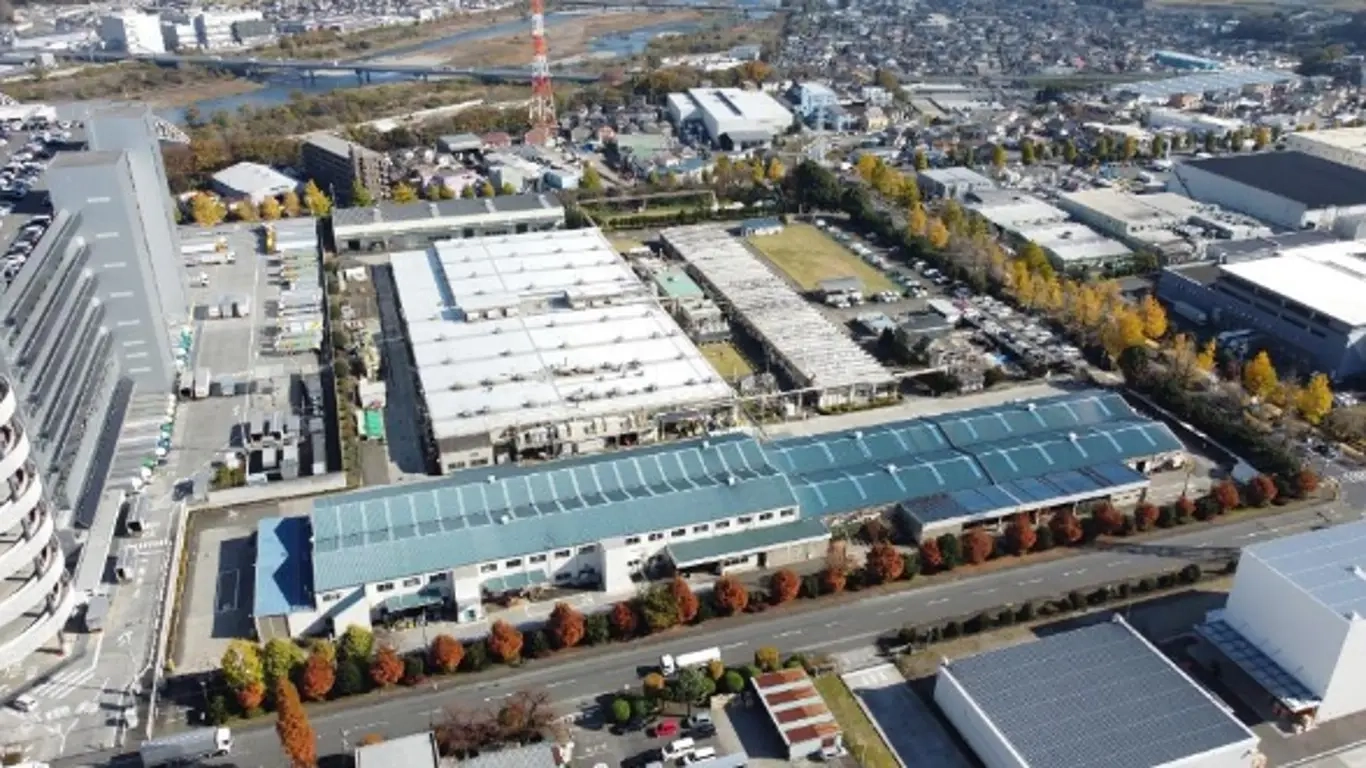
Four Japanese sites earned carbon-neutral status for 2025: the Kawasaki and Nakatsu plants, the Mitsubishi Fuso Bus Manufacturing site in Toyama, and PABCO’s body plant in Sagami. Fuso originally planned to reach neutrality only by 2039, but in 2023 it sharply accelerated and moved the target to 2025. By then, Kawasaki and Nakatsu had already cut emissions by more than 20% against 2015 levels, and their purchased electricity had switched to renewable sources.
Solar panels, energy savings and green electricity did a lot of the work. Not all of it. Across calendar 2025 and the first quarter of 2026, Fuso closed the remaining gap with credits — the share the company itself still calls unavoidable. From April 2026, the manufacturer says it will hold the line through further CO2 cuts. What it doesn’t say is whether the credits will ever stop, or how much of the result actually came from them.
And there’s a detail easy to miss here. The neutrality claim covers production operations only. Suppliers, component logistics, and the diesel trucks and buses running on the road all sit outside it. The ISO 14001 and ISO 50001 certifications backing the announcement aren’t proof of zero emissions either — they confirm environmental and energy management systems, nothing more.
There’s only one way to check a claim this bold: a report with absolute emissions figures, the number of credits used, and independent audit data. Until that exists, the question stays open — how much of this is real decarbonization at the plants, and how much is a well-packaged offset bought somewhere else?